ICL surgery in London provides a breakthrough solution when doctors say your vision is too complex for laser eye surgery. The High Prescription ICL have helped over 1,000,000 patients worldwide, making it a 15-year-old alternative for people with severe vision problems. This procedure can correct myopia up to -18 dioptres and reduce it in cases up to -20 dioptres.
ICL (Implantable Contact Lens) delivers exceptional clarity without changing your eye’s natural structure. The procedure works best when you have a thin cornea, an excessively high prescription, or dry eyes. The surgery is completely reversible, so you can adapt as your vision needs change over time. Your vision improves, and you’ll experience fewer dry eye problems with better night vision. Most patients can drive within just two days after surgery as their vision recovers quickly.
Why do high prescriptions need a different solution?
Living with a high prescription creates daily challenges that go way beyond minor inconveniences. You need a practical solution that gives both clarity and comfort if you have severe shortsightedness, as standard options don’t work well enough.
Limitations of glasses and contact lenses
Traditional corrective eyewear can fix blurred vision in myopia. Major drawbacks appear when prescriptions go above certain levels. High prescription glasses become noticeably thicker at the edges, and so they weigh more, making them uncomfortable to wear for long periods. These lenses can also create an undesirable look by making your eyes appear smaller than they really are. The best optical materials still produce distortions at the edges of your vision when correcting severe myopia. This affects not just looks – it can impact your depth perception and spatial awareness, which you need for everyday activities.
Contact lenses might seem like a good alternative, but they come with their own challenges. Daily disposables remain the safest choice for most patients. People with extreme prescriptions might need specialised lenses that cost more and aren’t easy to find. You should never wear them overnight because of infection risks. This restriction can really limit people who depend entirely on visual aids.
Challenges with laser eye surgery for high myopia
Laser eye surgery has revolutionised vision correction, but it has substantial limits if you have severe shortsightedness. The biggest problem involves reshaping the cornea, which becomes more complicated with higher prescriptions.
Higher degrees of myopia need more corneal tissue removal, which substantially increases these risks:
- Corneal instability due to excessive thinning
- Higher risk of ectasia (progressive corneal weakening and bulging)
- Longer recovery times and persistent visual fluctuations
The FDA has technically approved LASIK for corrections up to 12.00D of myopia. Most clinics set stricter limits to stay on the safe side. Traditional LASIK typically fixes prescriptions between -0.5D –8.0D. Experts explain: “Generally speaking, traditional Laser Eye Surgery can only correct prescriptions up to a maximum of between -8 and -10”. Your cornea’s thickness requirements create the main challenge. LASIK needs to create a corneal flap and then remove tissue underneath it. Your cornea must be thick enough to handle both procedures safely if you have high prescriptions. Most patients with severe shortsightedness don’t have enough corneal thickness, which makes standard LASIK unsuitable. ReLEx SMILE can sometimes treat higher prescriptions, but potential complications increase as prescription strength goes up. These include dryness, glare, halos, and in rare cases, severe conditions like corneal ectasia.
The need for a safe, long-term alternative
High myopia brings significant long-term health risks beyond just vision correction concerns. You face higher risks of severe eye conditions, including retinal detachment, glaucoma, and myopic retinal degeneration. These risks stay with you, whatever correction method you choose, so it’s crucial to pick treatments that don’t make existing vulnerabilities worse. ICL (Implantable Collamer Lens) has become a leading solution for high prescription correction in London. Unlike laser procedures that remove corneal tissue, ICL eye surgery adds a permanent, contact lens-like implant inside your eye. This works in harmony with your natural anatomy.

EVO ICL technology is a great way to get remarkable benefits if you have extreme prescriptions. It can effectively treat very high levels of myopia even beyond -10.00 diopters without removing any corneal tissue. The corneal structure stays untouched, making this approach non-destructive and completely reversible, which adds an extra layer of safety. Patients often see better quality vision compared to laser alternatives, with sharper night vision and better contrast sensitivity. The procedure takes just 15-20 minutes per eye, and most people get back to their daily activities within days. ICL in London offers more than just vision correction if you have severe shortsightedness and want a long-term solution. This comprehensive approach addresses both your immediate visual needs and long-term eye health concerns.
What makes ICL a strong option for high prescriptions?
ICL (Implantable Collamer Lens) is a great way to correct severe vision problems. This technology has gained popularity worldwide, especially in places where many people have high myopia. More than two million people have received these lenses globally, and this is a big deal as it means that 99% of patients are satisfied with their results.
How ICL corrects vision without altering the cornea
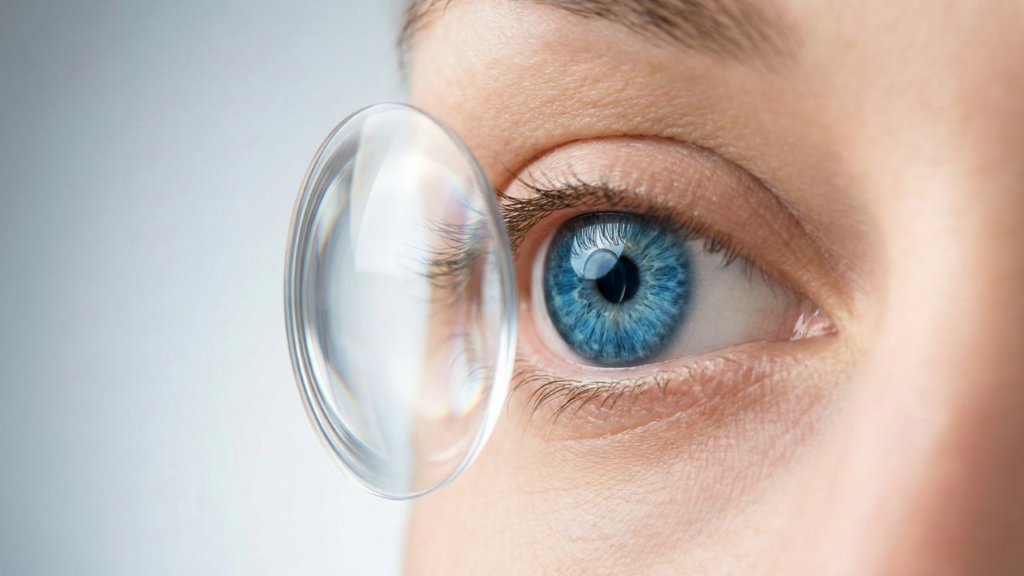
ICL uses a different approach than laser-based procedures that reshape the cornea. Your surgeon places a specialised lens inside your eye between the iris and the natural lens. This placement helps the ICL work naturally with your eye’s structure. The most significant advantage comes from preserving your cornea. Your cornea stays completely untouched during the ICL procedure. Rather than removing tissue, your surgeon adds a soft, flexible lens made of Collamer. This unique biocompatible material combines collagen and polymer elements. The lens material provides excellent optical qualities and becomes invisible after implantation. ICL in London works perfectly if you have thin corneas that make you unsuitable for laser procedures. LASIK needs enough corneal tissue to reshape safely, but ICL doesn’t have these limitations.
The role of EVO ICL in modern eye care
EVO ICL represents a significant step forward in implantable lens technology. This single-piece intraocular lens has a central convex-concave optical zone. It features a forward vault that minimises contact with the crystalline lens. The EVO design includes an innovative 360 μm central hole. This tiny opening lets natural aqueous humour flow freely, which removes the need for pre-operative laser peripheral iridotomy that older ICL models required. Long-term studies show this central port doesn’t increase endothelial cell loss over time.
EVO ICL can effectively treat:
- Myopia between -0.50 to -18.00D
- Cylindrical refraction up to -5.00D (astigmatism)
- Hyperopia up to +10.00D
The most extensive longitudinal study shows that EVO ICL implantation remains safe, effective, and predictable for correcting both high myopia (HM) and super-high myopia (SHM). Safety indices stayed above 1.00 from one month to five years after surgery.
ICL vs. other vision correction methods
ICL offers several unique advantages for severe prescriptions. Your surgeon can remove or replace the lens if needed, unlike laser procedures that permanently change your corneal structure. ICL preserves endothelial cells remarkably well. Studies reveal that over five years, high myopia patients lose only 3.66% of endothelial cells. In contrast, super-high myopia cases show 3.20% loss, similar to natural cell loss without any intervention.
The visual quality with ICL surpasses other methods, particularly in low-light conditions. Research shows ICL creates fewer ocular higher-order aberrations than alternatives, which results in better night vision. Modern ICLs come with built-in UV protection. This feature protects your eyes from harmful ultraviolet rays and might reduce your risk of developing UV-related eye conditions like cataracts or macular degeneration. Recovery after ICL surgery happens quickly. Most patients see clearly within days after the procedure, even though it involves intraocular surgery.
Are you a good candidate for ICL surgery?
You need to meet several specific requirements beyond just having a high prescription to qualify for ICL surgery. Your eye surgeon will need a complete picture to ensure you’ll benefit from this advanced procedure with minimal risks. Let me walk you through what makes someone an ideal candidate for high prescription ICL in London.

Prescription range and eye anatomy requirements
ICL surgery works with an impressive range of refractive errors, and it’s especially valuable to people with severe vision problems. The procedure can effectively correct:
- Myopia (short-sightedness) from -0.5D to -18.00D, with reduction possible up to -20.00D
- Hyperopia (long-sightedness) up to +10.00D
- Astigmatism up to 6.0D
Your eye’s anatomy must meet specific requirements to ensure safe implantation. The anterior chamber depth, the space between your cornea and iris, should be at least 2.8mm. This measurement will give a safe space to place the implantable lens without crowding other eye structures. There’s another reason to look at your endothelial cell count. These specialised cells line your cornea and must meet minimum density requirements based on your age. Patients with thin or irregular corneas who might not qualify for laser procedures often find ICL to be an excellent alternative.
Age and vision stability
Age is a vital factor in determining ICL suitability. The FDA approves ICL implantation for patients between 21 and 45 years, based on clinical safety trials. Many surgeons successfully implant ICLs in patients well into their 50s, so being over 45 doesn’t automatically disqualify you. Your prescription stability matters just as much. Your prescription should stay relatively constant (changes less than 0.5D) for at least one year before surgery. This stability helps your custom-made lens provide optimal correction for years to come. Older patients should know that our natural lens becomes less flexible with age. Most people notice these effects on their reading vision in their 40s. This doesn’t prevent ICL implantation, but it might affect your expectations about near vision after the procedure.
Who should avoid ICL surgery?
ICL surgery isn’t right for everyone. Some conditions make the procedure either riskier or less effective. You should look at other options if you have:
- Cataracts or glaucoma
- A history of recurrent eye inflammation
- Inadequate endothelial cell density
- Chronic diseases cause significant hormone fluctuations
Pregnant and breastfeeding women should wait before getting ICL surgery. Hormonal changes during these periods can cause vision fluctuations that make it hard to determine the correct lens power for long-term vision correction. Patients with conditions affecting wound healing or those taking medications linked to vision changes should discuss these factors during their consultation. A detailed pre-surgical assessment will give a clear picture of your suitability. The sort of thing I love is that many patients who don’t qualify for other vision correction procedures often make excellent candidates for ICL, especially when you have severe shortsightedness, thin corneas, or dry eyes.
What to expect during the ICL procedure
Your ICL procedure preparation starts well before the surgery day. A clear understanding of each step in this trip can help you feel more confident about eye surgery for your high prescription.

Original consultation and diagnostics
The path to better vision starts with a complete picture at the clinic. Your first visit usually takes 1-2 hours. It includes complete eye measurements to check if you’re right for high prescription ICL in London. Your surgeon will:
- Measure your anterior chamber depth (significant for proper lens placement)
- Check your corneal thickness using pachymetry
- Assess your endothelial cell count
- Dilate your pupils to get into your retina and confirm your exact prescription
This detailed process will give a personalised treatment plan that matches your visual needs. Your consultant will explain the procedure and answer your questions about ICL eye surgery after taking all measurements.
Surgical process overview
The surgical team prepares your eyes for implantation on surgery day. Your eyes become numb with anaesthetic drops to eliminate pain during surgery. The surgeon cleans your eye and the surrounding area next. The surgical process follows these exact steps, The surgeon makes a tiny keyhole incision (2-3mm) at your cornea’s edge. A special gel-like fluid protects your eye through this small opening. A specialised delivery device carefully inserts the folded ICL. The lens unfolds naturally and sits perfectly behind your iris and in front of your natural lens. The surgeon checks the placement carefully before finishing the procedure.
How long does the procedure take
ICL surgery stands out for its speed. The surgery takes just 15-20 minutes per eye, though some clinics need 20-30 minutes per eye. You should plan about 2-3 hours at the clinic for preparation and recovery monitoring. Most patients can get both eyes treated in one visit. This optimised approach means you spend minimal time in the operating theatre while getting lasting vision correction for severe shortsightedness.
Comfort and sedation options
ICL eye surgery causes virtually no pain. You’ll get numbing eye drops before surgery, and a mild sedative helps if you feel anxious. This sedation keeps you relaxed but aware during the procedure. You stay awake but comfortable throughout surgery. Some patients feel gentle pressure around the eye or notice fluid on the eye’s surface, but pain isn’t an issue. You won’t see any formed surgical instruments, which reduces anxiety. The clinic’s consultant anaesthetist can customise sedation options if you’re especially concerned about discomfort. Prescribed eye drops or oral medication manage any mild discomfort after surgery. Most patients find the experience nowhere near as challenging as they predicted.
Life after ICL: What changes for patients?
ICL surgery changes patients’ lives in ways that go way beyond the reach and influence of regular vision correction. Their vision shows remarkable improvement within hours after the procedure. Many patients describe this change as life-altering.

Freedom from glasses and contacts
Recovery from ICL surgery brings immediate results. 98.1% of patients report better daytime vision than they had before surgery. Research shows that 96% of eyes reach an uncorrected distance visual acuity of 20/40 or better. The gold standard of 20/20 vision becomes reality for 59.6% of patients. This new visual freedom eliminates many daily hassles. A patient shared, “I never thought glasses were holding me back that much. But once I didn’t have to worry about them, I started realising how much I was adjusting my life”. We noticed patients no longer need to plan activities around their vision limits. Swimming, travelling, and outdoor activities become available without extra preparation.
Improved quality of life and confidence
ICL surgery creates significant improvements in patients’ overall well-being:
- 99% of patients see improvement in physical activities
- 83% of recipients experience increased self-esteem
- 99% of individuals show improved working capacity
The psychological benefits are equally important. Many patients report less anxiety and depression after surgery. Headaches often vanish completely. Self-confidence grows in part because patients no longer hide behind thick lenses. Others can see their face clearly—an experience many high-prescription patients have never had before.
Vision stability and long-term outcomes
Studies confirm ICL’s impressive stability and durability over time. Five years after surgery, patients maintain excellent results with safety and efficacy indices of 1.01 and 0.99, respectively. The lens stays stable, with 95.6% of eyes keeping ideal vault measurements between 100-1000 μm. Patients can expect their clear vision to last for decades. The EVO ICL provides long-lasting correction. The collamer material combines smoothly with your eye and reduces long-term irritation risks. In spite of that, about 34% of patients might experience night vision problems. These issues typically clear up within 3-4 months. If you have severe shortsightedness in London, ICL eye surgery offers more than just better vision. It gives you a completely transformed daily life experience.
Understanding the cost and value of ICL surgery
Making a wise choice about ICL surgery means understanding the costs and benefits you’ll get. This medical investment deserves careful thought about your finances before you move forward.

Breakdown of ICL surgery cost in the UK.
ICL surgery prices in the UK range between £3,650 and £4,500 per eye. Complex prescriptions like severe shortsightedness with astigmatism might cost more. Your surgeon’s expertise, clinic location, and available technology affect the price. The custom nature of each ICL lens drives the overall cost since every lens matches your exact prescription.
What’s included in the price
A complete ICL package usually gives you:
- Original consultation and diagnostic tests
- Your custom-manufactured lens
- The surgical procedure itself
- Post-operative check-ups and aftercare
Many clinics offer all-inclusive packages that help you know the exact cost without surprises. When you research providers, ask what services come with the quoted price.
Conclusion
ICL surgery is a game-changing solution for patients who were told their vision was too complex for standard correction. Laser eye surgery works well for many people, but your high prescription or thin corneas shouldn’t limit your options anymore. ICL technology shows excellent results for prescriptions between -0.5D to -18.00D. Most patients notice better vision within days after the procedure.
Your natural corneal structure stays intact with ICL, which makes it valuable for long-term eye health. The procedure takes just 15-20 minutes and corrects vision without changing your eye’s anatomy. This reversible approach gives you peace of mind while fixing severe vision problems. Life changes dramatically when you no longer need thick glasses or specialised contact lenses. Patients report better self-confidence, easier physical activities, and improved quality of life after the procedure. High satisfaction rates come from both the quick visual improvements and lasting freedom from vision aids.
The cost of ICL surgery ranges from £3,650 to £4,500 per eye, making this life-changing procedure available. Treatment packages cover everything from your first consultation through aftercare. Your path to better vision begins with finding out if ICL surgery matches your needs. Pre-operative testing and personal consultations help determine if this remarkable procedure can give you the clear vision you’ve always wanted without the usual limits of regular vision correction.
Key Takeaways
ICL surgery offers a breakthrough solution for severe vision problems that traditional methods cannot safely address, providing exceptional results for patients with high prescriptions.
- ICL corrects myopia up to -18 dioptres without altering corneal structure, making it ideal for patients unsuitable for laser surgery
- The procedure takes just 15-20 minutes per eye with most patients achieving driving-standard vision within two days
- Over 99% patient satisfaction rates demonstrate ICL’s effectiveness, with 96% achieving 20/20 vision or better post-surgery
- Costs range £3,650-£4,500 per eye in the UK, with flexible financing options and comprehensive aftercare packages available
- The procedure is entirely reversible and preserves natural eye anatomy, offering long-term safety for severe prescriptions
Unlike laser procedures that permanently reshape your cornea, ICL works harmoniously with your natural eye structure whilst delivering superior visual outcomes, particularly in low-light conditions. This makes it an exceptional choice for those seeking freedom from thick glasses or specialised contact lenses.
FAQs
Q1. What is the maximum prescription that ICL surgery can correct? ICL surgery can effectively correct myopia up to -18 dioptres and even reduce it in cases up to -20 dioptres. It can also treat hyperopia up to +10 dioptres and astigmatism up to 6 dioptres.
Q2. How long does the ICL procedure take? The actual ICL surgical process typically takes about 15-20 minutes per eye. However, patients should plan to spend approximately 2-3 hours at the clinic, which includes preparation time and initial recovery monitoring.
Q3. Is ICL surgery painful? ICL surgery is designed to be virtually painless. Numbing eye drops are applied before the procedure, and a mild sedative is often available for anxious patients. Most people experience only gentle pressure around the eye during the surgery.
Q4. How quickly can I expect to see results after ICL surgery? Most patients notice remarkable vision improvement within hours of their ICL procedure. Studies show that 96% of eyes achieve uncorrected distance visual acuity of 20/20 or better, with many reaching 20/20 vision.
Q5. What is the typical cost of ICL surgery in the UK? ICL surgery prices in the UK typically range between £3,650 and £4,500 per eye, with most patients paying approximately £3,300 per eye. The cost may vary based on specific prescription requirements and the clinic chosen.