The UK has around 18 million people who suffer from hay fever each year. Contact lens wearers who battle this common allergy face a unique set of challenges. The symptoms peak between late March and September, and warm, humid, windy conditions make things worse. Your eyes might become red, itchy and watery during these months – doctors call it allergic conjunctivitis. These symptoms can make wearing contact lenses really uncomfortable.
Recent studies show that nearly half of British people deal with hay fever, and pollen counts start climbing earlier than expected. Finding solutions that work matters now more than ever. This piece covers everything from specialised eye drops to contact lens management techniques during allergy season. You’ll also learn about permanent solutions like Laser Eye Surgery and Implantable Contact Lenses. Precision Vision London understands the seasonal challenges that hay fever brings to contact lens wearers. We offer practical daily management strategies and surgical solutions that could help you break free from this seasonal struggle.

How Hay Fever Affects the Eyes and Contact Lens Wear
Contact lens wearers face a substantial challenge when dealing with hay fever. Learning about how allergies affect your eyes and how lenses interact with allergens helps manage symptoms better.
Common hay fever symptoms that affect the eyes
Hay fever commonly triggers allergic conjunctivitis – inflammation of the thin membrane that covers the whites of the eyes and inside of eyelids. Your eyes become itchy, red, and watery. Your body releases histamine when it encounters allergens, which makes nerve endings irritated and creates that constant itching feeling. Blood vessels in your eyes dilate to combat irritants, causing the redness you see. Your tear ducts work overtime to flush out pollen, which often makes your vision blurry. All but one of these allergy sufferers deal with eye issues, and 70% say their eye symptoms match or exceed their nasal problems.
Why contact lenses can worsen allergic reactions
Your hay fever symptoms might intensify with contact lenses. These lenses can trap allergens against your eye’s surface, which leads to extended irritant exposure. Soft lenses create more problems because they absorb airborne particles throughout the day. Your tear film splits into two layers because of the lenses, which speeds up evaporation and changes tear osmolarity. This process leaves more inflammatory debris in your tears, and then irritates your allergies further. Contact lens users tend to blink less, which makes the tear film evaporate faster.
How pollen interacts with different lens types
Different lens materials attract varying amounts of pollen. Research shows that silicone hydrogel lenses collect substantially less pollen (0.05%) than hydroxyethyl methacrylate (HEMA) lenses (1.84%). Your coloured lenses accumulate more pollen (2.73%) compared to clear ones (1.03%). Monthly replacement lenses attract more pollen than daily disposables. The lens’s water content, oxygen permeability, and centre thickness affect how many pollen particles stick to it. Research suggests that daily disposable silicone hydrogel lenses might work best if you have hay fever. These lenses minimise allergen buildup and give you a fresh surface each day.
Tips to Manage Contact Lenses During Allergy Season
You can manage your contact lenses during hay fever season with innovative approaches that reduce discomfort and irritation. The proper techniques let you keep wearing your lenses even when pollen levels rise.

Switching to daily disposable lenses
Daily disposable contact lenses help hay fever sufferers a lot. A fresh pair each day means less risk of allergens building up on the surface. These disposables also keep you away from cleaning solution preservatives that might irritate your eyes. Daily Disposable give you great value while staying comfortable and high-quality.
Using preservative-free eye drops for hayfever
Contact lens wearers with hay fever need preservative-free eye drops. Products like Optase Allergy Eye Drops help treat and prevent allergic conjunctivitis and quickly soothe itchy, red and watery eyes. Note that you should only use drops marked “for use with contacts”. You need to wait 15 minutes after using prescription eye drops before putting your lenses back in.
Maintaining strict hygiene with lenses
Clean handling becomes vital during allergy season. Clean your hands well before touching lenses so you don’t transfer pollen to your eyes. People with reusable lenses should clean them often, based on their eye care professional’s guidance, to remove allergens and debris. Peroxide-based or preservative-free disinfectants give you a better clean.
Wearing lenses only when the pollen count is low
Keep track of daily pollen levels in your area. High levels above 50 grammes per cubic metre mean you might want to leave your contacts at home. Your glasses can shield your eyes from airborne allergens on high pollen days. You could also time your outdoor activities when pollen counts drop – staying inside during mornings and windy weather helps. These strategies help you wear contact lenses comfortably throughout hay fever season while keeping irritation low.
When to Consider Taking a Break from Lenses
Your comfort might require a break from contact lenses during hay fever season, even with the best care routines. Learning the right time to switch to glasses can make the most crucial difference in how you feel.

Signs your eyes need rest from contact lenses
Relief can come from just a one-day break from contacts during allergy season. Take your lenses out right away if you notice:
- Your eyes look too red, swollen, or feel painful
- Your vision seems ‘smeary’ or less clear through the lenses
- Your eyes keep watering and itching
Using glasses as a temporary alternative
Wraparound glasses or sunglasses serve two purposes—they correct your vision and block pollen. This protection helps especially when you have pollen counts that exceed 50 grammes per cubic metre. Your inflamed eyes can recover better with glasses, which helps you get back to wearing contacts comfortably.
How to stop hay fever immediately with short-term changes
Despite that, quick relief can come from these actions:
- Cool your eyes with a cold compress for 5-10 minutes to reduce puffiness and swelling
- Remove pollen by showering and changing clothes after outdoor activities
- Peak pollen times mean keeping windows shut
- An air purifier might help clean indoor spaces
- Flush allergens from your eyes with an eye wash
Note that temporary discomfort doesn’t mean you must give up contact lenses forever. A brief break and proper care often let you wear contacts comfortably again.
Surgical Options for Long-Term Relief
People with hay fever can find substantial relief through permanent freedom from contact lenses. Surgical vision correction provides expandable solutions worth thinking over.

Laser Eye Surgery: Removes the need for contact lenses
Laser eye surgery acts as the perfect defence against eye allergies by eliminating contact lenses. The procedures like LASIK reshape your cornea to correct refractive errors and reduce infection risks to less than 0.035% of patients. This permanent correction saves you about 100 hours each year that you’d typically spend on lens maintenance.
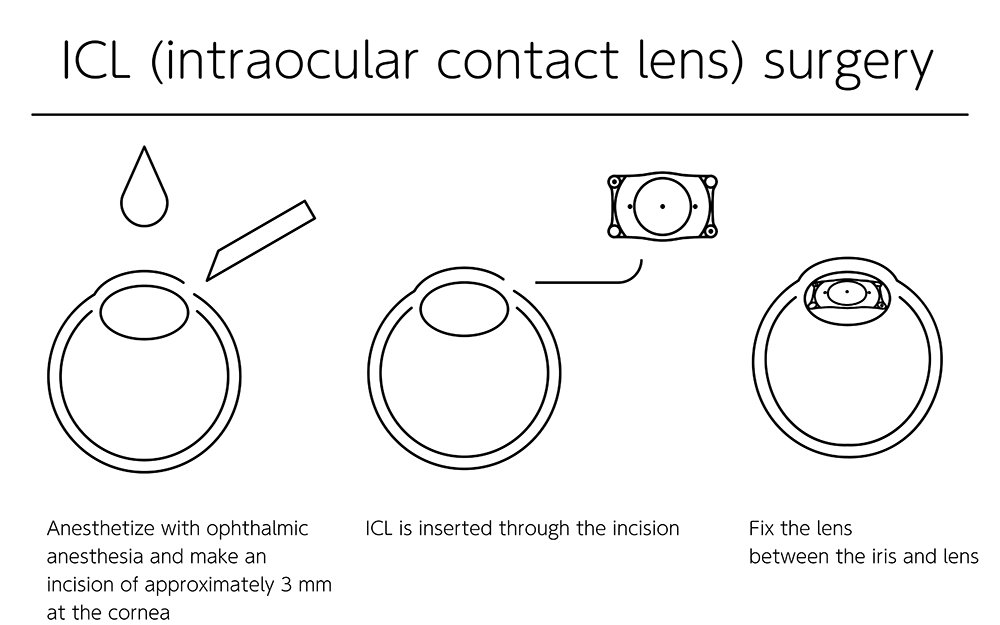
Implantable Contact Lenses (ICL): Permanent internal lens not exposed to allergens
ICL surgery places a soft, biocompatible lens inside your eye between the iris and natural lens. ICLs stay invisible, need no maintenance, and most importantly, stay protected from allergens. This solution works well for patients with prescriptions up to -18.00D for short-sightedness and +10.00D for long-sightedness.

Lens Replacement Surgery: Permanent correction with no external lenses
Refractive lens exchange replaces your natural lens with a synthetic one. This eliminates your cataract risk and corrects your vision permanently. The results last indefinitely.
Conclusion
Contact lens wearers face extra challenges during allergy season when dealing with hay fever. Pollen can make wearing lenses uncomfortable each day. The good news is that several strategies work well to reduce this discomfort. Daily disposable lenses substantially cut down on allergen buildup. Eye drops without preservatives are a great way to get relief from itchy and watery eyes, especially when you have contacts. Good hygiene is a vital part of reducing irritation when pollen counts peak.
Your eyes need occasional breaks, notwithstanding that. You should know when to switch to glasses temporarily. This gives your eyes time to recover. Quick fixes like cold compresses and staying away from high-pollen areas help on really tough days. Surgical options can free you from seasonal lens problems forever. Laser Eye Surgery removes the need for any external lenses: implantable Contact Lenses and Lens Replacement Surgery correct vision without exposing eyes to allergens. Precision Vision London’s surgeons use advanced technology to provide care that matches your needs. Clear vision should not come with the extra hassle of hay fever symptoms. Your quality of life will improve without doubt throughout pollen season and beyond. This happens whether you improve your lens routine or choose surgery to deal with your contacts and allergies.
Key Takeaways
Managing hay fever whilst wearing contact lenses requires strategic approaches. Still, permanent surgical solutions can offer complete freedom from seasonal discomfort.
- Switch to daily disposable silicone hydrogel lenses during allergy season to minimise pollen buildup and reduce irritation
- Use preservative-free eye drops designed for contact lens wearers and monitor pollen counts to avoid high-risk days
- Take breaks from lenses when eyes become excessively red or painful, glasses provide protective barriers against allergens
- Consider laser eye surgery or ICL procedures for permanent relief from both vision correction and seasonal allergies
- Maintain strict hygiene by washing hands before handling lenses and cleaning reusable contacts regularly during pollen season
For the 18 million Britons affected by hay fever annually, these strategies can transform the challenging allergy season from a period of discomfort into manageable months of clear, comfortable vision.
FAQs
Q1. Can I wear contact lenses if I have hay fever? Yes, you can wear contact lenses with hay fever, but you may need to take extra precautions. Consider switching to daily disposable lenses, using preservative-free eye drops, and maintaining strict hygiene. If symptoms become severe, it’s best to switch to glasses temporarily.
Q2. What are the best contact lenses for hay fever sufferers? Daily disposable silicone hydrogel lenses are often the best choice for hay fever sufferers. They minimise allergen buildup and provide a fresh surface each day, reducing irritation and discomfort.
Q3. How can I get immediate relief from hay fever symptoms while wearing contacts? For quick relief, try applying a cold compress to your eyes, using preservative-free eye drops suitable for contact lens wearers, and rinsing your eyes with eye wash to flush out allergens. If symptoms persist, consider removing your lenses temporarily.
Q4. Are there any long-term solutions for contact lens wearers with hay fever? Yes, surgical options like Laser Eye Surgery, Implantable Contact Lenses (ICL), and Lens Replacement Surgery can provide permanent freedom from contact lenses and reduce exposure to allergens, offering long-term relief for hay fever sufferers.
Q5. How does hay fever affect contact lens wear? Hay fever can make contact lens wear uncomfortable by causing itchy, red, and watery eyes. Contact lenses can trap allergens against the eye surface, exacerbating symptoms. They can also increase tear film evaporation, leading to more inflammatory debris in the eyes and aggravating allergies.