Research shows that 95% of patients develop dry eye symptoms right after laser eye surgery. Many people experience dry eye after LASIK in London, and you’re not alone. This common side effect can make your eyes feel scratchy and cause stinging, burning, redness, and blurry vision but here’s the good news. These symptoms improve within 6-12 months after the procedure for most patients.
Only one-fifth of people with Dry Eye Syndrome get the right diagnosis. Your laser eye surgery recovery depends on finding the right treatment options. Patients can manage their dry eyes after LASIK through several methods that work well – from artificial tears and prescription eye drops to advanced options like punctal plugs and omega-3 supplements. This detailed guide covers everything about managing dry eye after laser eye surgery. You’ll learn why it happens, who faces the highest risk, and which treatments can make your recovery more comfortable.

Understanding Dry Eye After LASIK
LASIK surgery causes dry eyes mainly because of the surgical procedure itself. Creating the corneal flap disrupts corneal nerves. These nerves are vital for proper tear production and distribution across your eye surface. Research shows that LASIK can reduce corneal nerve fibre density by up to 90% during the first few months after surgery. This disruption changes how your eyes respond to dryness. The nerve disruption also changes your natural blinking patterns. Patients blink every 5-10 seconds before LASIK. After the procedure, this extends to every 10-15 seconds. Your tears don’t spread evenly across your eye surface because you blink less often. This leads to dry spots and discomfort.
How LASIK affects tear production and nerve sensitivity
Your corneal sensitivity drops by about 50% after LASIK. This changes how your eyes react to their environment. Your eyes might not notice when they’re dry, so they don’t produce tears even when needed. LASIK disrupts your entire tear system. Your tear production decreases while tear film stability and composition change too. Studies show that tear secretion and volume drop right after LASIK. These levels usually return to normal between 1-6 months. Tear volume typically stabilises around the third month after surgery.
Why some patients are more prone to dry eye symptoms
Dry eye symptoms vary among LASIK patients. Your risk increases if you had dry eyes before surgery – this is the biggest sign you might have issues afterward. Other risk factors include:
- Being female, especially those who are post-menopausal
- Asian ethnicity (with up to 28% experiencing dry eye compared to 5% in Caucasian patients)
- Requiring correction for high myopia
- Being 50 years or older
- Having conditions like diabetes, autoimmune diseases, or previous blepharoplasty
About half of LASIK patients report dry eye symptoms up to 6 months after surgery. Most people see improvement as their corneal nerves heal. Yet 20-40% of patients might develop chronic dry eye lasting at least 6 months.
Recognising the Symptoms and Risk Factors
Early detection of dry eye symptoms helps manage discomfort while recovering from laser eye surgery. Most patients experience several common symptoms:
- Dryness and irritation
- Burning or stinging sensations
- Redness and eye fatigue
- Blurred vision that fluctuates with blinking
- Excessive tearing (paradoxically, a sign of dryness)
- Foreign body sensation or grittiness
- Light sensitivity or discomfort in windy conditions
Research shows these symptoms reach their peak in the first week after surgery. About 95% of patients notice some form of dry eye right after the procedure. Most people see gradual improvement, though 60% still have dry eye symptoms a month after surgery.

Who is at higher risk: age, gender, and health conditions
Your risk of experiencing dry eye after LASIK depends on several factors. Women tend to experience more severe symptoms than men, both before and after the procedure. People over 50 usually have more noticeable symptoms. On top of that, patients of Asian ethnicity face a higher risk. Your overall health plays a vital role too. Diabetes makes you more vulnerable because it can reduce corneal sensitivity. Autoimmune conditions like Sjögren’s syndrome, lupus, or rheumatoid arthritis can substantially worsen dry eye outcomes. The risk increases with pre-existing dry eye, high myopia correction, and a history of contact lens wear.
When to seek professional help
Mild symptoms are normal during recovery. You should contact your eye specialist right away if:
- Your symptoms get worse instead of better
- You feel severe pain
- Your vision gets worse instead of stabilising
- Symptoms last longer than 6-12 months after the procedure
Quick medical help prevents possible complications and ensures the best recovery. Precision Vision London specialists can assess your symptoms and suggest treatments that work best for your specific case.
Effective Treatments for Post-LASIK Dry Eye
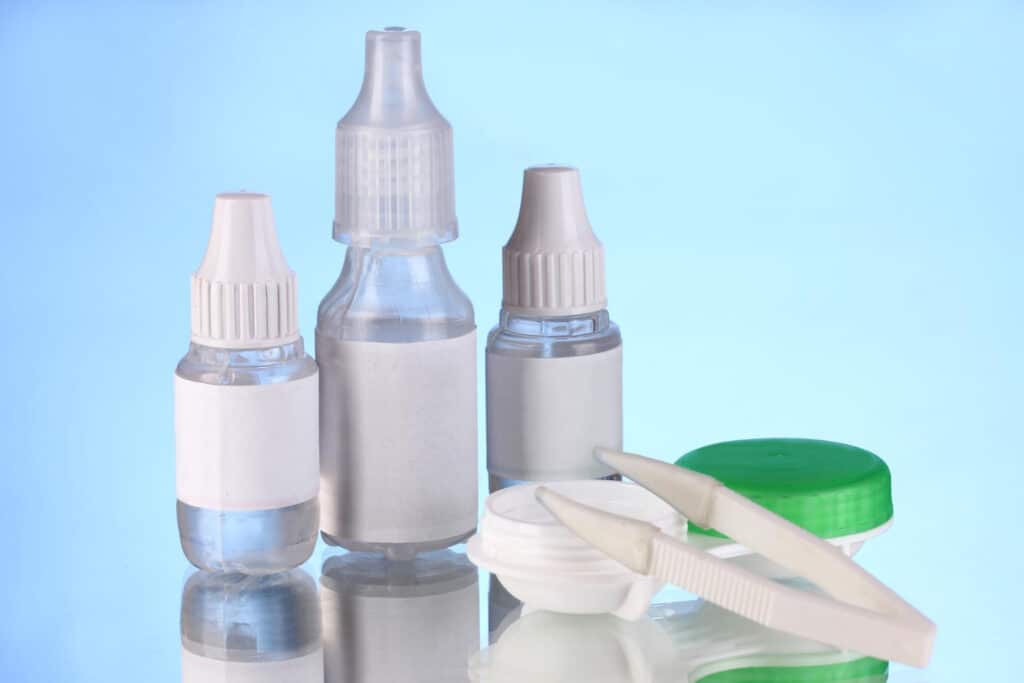
Artificial tears and lubricating drops
Preservative-free artificial tears are the life-blood of post-LASIK dry eye management. These drops make up for missing moisture and patients should use them every 1-2 hours during the original treatment phase, regardless of symptoms. Hyaluronic acid 0.15% formulations work better than others to reduce dry eye signs after laser surgery. Thicker lubricating ointments applied before bedtime create a protective barrier and prevent overnight dryness.
Prescription medications and anti-inflammatory drops
Prescription options become essential when artificial tears don’t provide enough relief. Cyclosporine A 0.05% ophthalmic emulsion (Restasis) boosts tear production and reduces inflammation. Short courses of topical corticosteroids help control inflammation during recovery. Prescription drops with doxycycline or topical azithromycin can address meibomian gland inflammation in patients with long-lasting symptoms.
Punctal plugs and how they work
Tiny devices called punctal plugs fit into tear ducts to prevent drainage and keep natural tears on the eye surface longer. Patients can choose between temporary plugs that dissolve within days or semi-permanent varieties. The procedure takes minutes, and success rates exceed 70% in most studies. These plugs work well after LASIK, especially when you have artificial tears to boost moisture retention.
Advanced options like IPL for dry eye in London
IPL therapy offers an advanced solution for stubborn dry eye cases. The procedure uses gentle light pulses in the periorbital area to reduce inflammation and improve meibomian gland function. Patients typically need up to four sessions 2-3 weeks apart, and many notice improvements within hours of their first treatment. London specialists use the Lumenis M22™ IPL technology that combines optimal light delivery with exceptional safety.
MGD therapy and its role in tear film stability
Meibomian gland dysfunction (MGD) substantially affects post-LASIK dry eye. LipiFlow® and other thermal pulsation treatments deliver heat to the inner eyelid surface with automated pressure massage. This method melts and releases blocked meibum and improves tear film stability for at least three months. Studies show MGD therapy extends non-invasive tear breakup time (NIKBUT) and first breakup time (FBUT). This is a big deal as it means that patients experience substantial symptom relief.
How Precision Vision London Supports Your Recovery
Pre-operative screening for dry eye risk
Precision Vision London’s successful LASIK outcomes start with detailed pre-operative screening. Research shows that approximately 45.39% of patients who plan to get laser eye surgery have some form of dry eye. Our specialists ask patients to fill out proven symptom questionnaires like the Ocular Surface Disease Index (OSDI) and Dry Eye Questionnaire (DEQ) to get a full picture of their risk profile. We run tear stability tests, measure tear flow, and check surface damage to understand your eye’s health completely.

Personalised aftercare plans
Your recovery trip starts right after surgery with a well-laid-out follow-up schedule. Your surgeon will check your eyes the next day and give you specific advice about your eye drop routine. You’ll have check-ups at 3-4 weeks, 3 months, and one year to make sure you heal properly. Patients with dry eye risk factors get special management plans that can last up to 12 months.
Technology used to monitor and treat dry eye
Precision Vision London employs advanced diagnostic tools to track your recovery. These include:
- TearLab’s tear osmolarity testing needs less than 50nl of tears and gives vital data about tear quality
- LipiView interferometry measures your tear film’s lipid content with precision
- Optical Quality Analysis System (OQAS) checks tear film stability without invasive procedures
Ongoing support during laser eye surgery recovery
You’ll have your surgeon’s personal phone number to reach out about any immediate concerns during recovery. This direct access and our steadfast dedication to lifelong aftercare mean you’ll always have support. Our aftercare package has any needed enhancement procedures within one year of surgery. This shows how committed we are to your long-term eye health.
Conclusion
Dry eye after LASIK is a common side effect you can manage after laser eye surgery. Up to 95% of patients might notice symptoms at first, but these get substantially better within 6-12 months as corneal nerves heal. Your age, gender, and existing conditions will affect your recovery, so understanding these factors is vital to set the right expectations. The best treatment starts with regular use of preservative-free artificial tears. You might need prescription medications, punctal plugs, or specialised treatments like IPL and MGD later. Getting the right diagnosis and personalised care makes a real difference in your recovery.
Precision Vision London does things differently. They screen for dry eye risks before your procedure starts. Their well-laid-out aftercare programme will give you the right monitoring and treatment adjustments throughout recovery. The clinic uses advanced diagnostic tools, including tear osmolarity testing and LipiView interferometry, to get a full picture of your tear film quality. Your success with dry eye management depends on following your surgeon’s advice and showing up for follow-ups. You should always reach out if something concerns you during recovery. Precision Vision London gives you direct access to your surgeon exactly for this reason. Your LASIK experience can still give you the visual freedom you want, even with temporary dry eye symptoms. The complete support at Precision Vision London provides everything you need for a comfortable recovery and the best long-term results.
Key Takeaways
Understanding and managing dry eye after LASIK is crucial for a successful recovery, with proper treatment ensuring optimal long-term results.
- Up to 95% of LASIK patients experience dry eye initially, but symptoms typically improve within 6-12 months as corneal nerves regenerate.
- Preservative-free artificial tears used every 1-2 hours form the foundation of treatment, with advanced options like punctal plugs and IPL therapy available for persistent cases.
- Pre-existing dry eye, being female, over 50, or having high myopia significantly increases your risk of post-LASIK dry eye symptoms.
- Comprehensive pre-operative screening and personalised aftercare plans are essential for identifying risk factors and ensuring proper recovery monitoring.
- Seek immediate professional help if symptoms worsen over time, severe pain occurs, or dry eye persists beyond 6-12 months post-procedure.
The success of your LASIK recovery largely depends on following your surgeon’s recommendations, attending all follow-up appointments, and accessing proper diagnostic technology to monitor your tear film quality throughout the healing process.
FAQs
Q1. How long does dry eye typically last after LASIK surgery? Dry eye symptoms usually peak in the first few months after LASIK. For most patients, significant improvement occurs within 6-12 months as the corneal nerves regenerate. However, some individuals may experience symptoms for a longer period.
Q2. What are the most effective ways to manage dry eyes following LASIK? The primary treatment involves using preservative-free artificial tears frequently, typically every 1-2 hours initially. Other effective methods include taking omega-3 supplements, using warm compresses, and avoiding environmental factors that can exacerbate dryness, such as wind or low humidity.
Q3. How often should I use lubricating eye drops after LASIK? It’s generally recommended to use lubricating eye drops approximately every 2 hours for at least 10 weeks post-LASIK. After this period, you can adjust usage based on your comfort level and eye lubrication needs.
Q4. Are there any advanced treatments for persistent dry eye after laser eye surgery? Yes, for persistent cases, advanced treatments are available. These include punctal plugs to prevent tear drainage, Intense Pulsed Light (IPL) therapy to reduce inflammation, and treatments for Meibomian gland dysfunction (MGD) to improve tear film stability.
Q5. Who is at higher risk of developing dry eye after LASIK? Several factors can increase the risk of post-LASIK dry eye. These include being female, over 50 years old, having pre-existing dry eye before surgery, requiring correction for high myopia, and having certain health conditions like diabetes or autoimmune diseases.