Modern anaesthesia options for cataract surgery have transformed patient experience in one of the world’s safest and most common procedures. You stay awake during the surgery, and the right anaesthetic keeps you completely pain-free throughout. Recent advances in surgical techniques and anaesthetic choices make cataract operations quick, safe, and virtually painless.
UK surgeons now safely perform most cataract procedures using topical anaesthesia. Many prefer eye drops over injections to maximise patient comfort. A detailed 2020 meta-analysis covering over 2,500 patients showed that both topical and sub-Tenon local anaesthesia control pain effectively. Still, some methods might suit your needs better than others. Precision Vision London’s expert surgeons review each case carefully to select the most suitable anaesthesia approach that will give you maximum comfort. The choice of anaesthesia becomes significant since research shows that nearly 20% of patients with topical anaesthesia found their visual experience frightening. This piece outlines the available anaesthesia types for your cataract procedure. You’ll learn what to expect and how our London cataract clinic tailors care to achieve the best results and comfort levels.

Understanding Anaesthesia Types in Cataract Surgery
Your cataract surgery experience depends a lot on the type of anaesthesia used. Cataract anaesthesia options in London have improved a lot since doctors first used cocaine drops in 1884. Modern techniques now give excellent pain control with minimal risk. Patients recover faster and have better experiences.
Topical Anaesthesia: Eye Drops and Surface Numbing
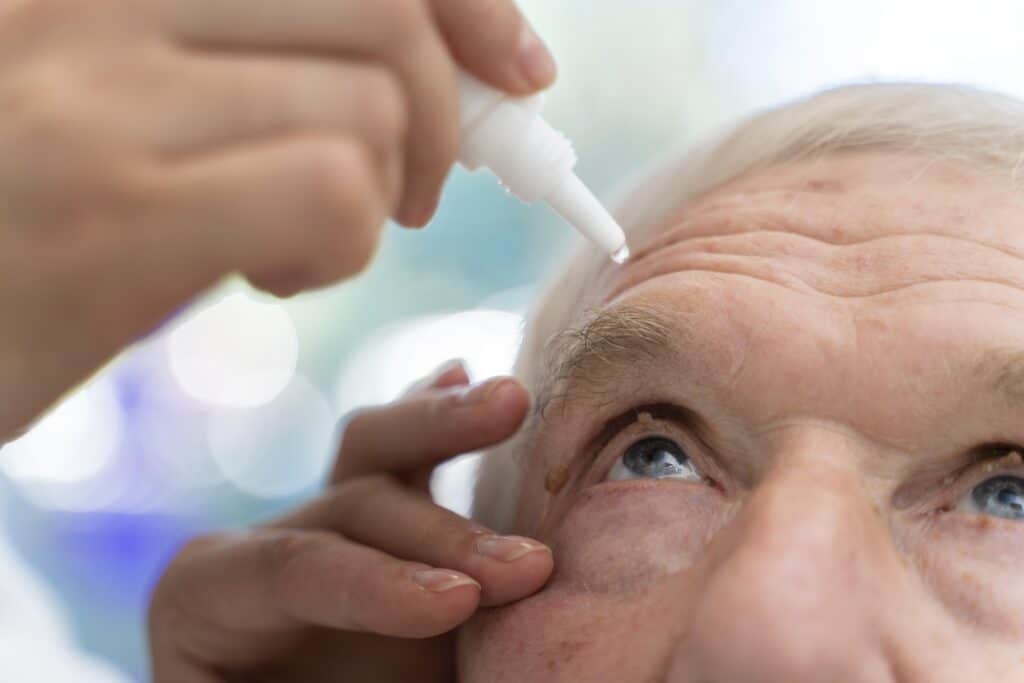
Topical anaesthesia has become the top choice for UK surgeons, with nearly 48% of surgeons preferring topical anaesthesia with intracameral injection. This needle-free method uses anaesthetic eye drops (usually lidocaine/lignocaine) to numb the eye’s surface. Your surgeon might also inject anaesthetic into the front chamber of the eye during surgery to improve pain control.
The main benefits of topical anaesthesia include:
- No injections needed (completely non-invasive)
- Quick preparation and recovery
- Minimal after-effects
- Your vision gets better quickly over the first 24 hours
While topical anaesthesia numbs the eye well, it doesn’t stop eye movement. You’ll need to help by keeping your eye still and focusing on the microscope light during the procedure.
Sub-Tenon’s Anaesthesia: Injection Beneath the Eye Surface
Sub-Tenon’s anaesthesia (also called a sub-Tenon block or ‘eye block’) has grown popular since the 1990s. Doctors place anaesthetic under the Tenon’s capsule—a thin layer covering the eye’s white part, using a blunt cannula instead of a sharp needle. The doctor applies numbing eye drops first, then gives the anaesthetic in one corner of your eye. You might feel some pressure or mild stinging for a few seconds. Sub-Tenon’s anaesthesia offers several advantages:
- Better and more reliable pain relief
- Complete eye numbing with relaxed eyelids
- Keeps the eye from moving (akinesia)
- Great pain control after surgery
The anaesthetic takes 4-6 hours to wear off, and you’ll have an eye pad during recovery. This method works well for patients who might have trouble staying still during surgery.
Peribulbar and General Anaesthesia: When Are They Used?
Peribulbar anaesthesia puts anaesthetic around the eyeball without entering the muscle cone. This makes it safer than older retrobulbar methods. Recent data shows that peribulbar blocks are used in approximately 9% of UK cataract surgeries.
Doctors save general anaesthesia for exceptional cases, using it in about 1% of UK cataract procedures. They might recommend it for patients who:
- Can’t lie flat
- Have uncontrolled movements (like Parkinson’s disease)
- Feel too anxious to cooperate during surgery
- Are you young or have certain medical conditions
At Precision Vision London, our specialists assess each patient’s situation carefully. We look at anxiety levels, medical history, and eye condition before suggesting the best anaesthesia approach. This customised care will give you optimal comfort throughout your procedure, whatever technique we end up using.
Pain Control: How Each Method Performs
Different anaesthesia methods used in cataract surgery show varying levels of pain control. Your London cataract clinic will help you know what to expect during the procedure.

Topical Anaesthesia: Mild Discomfort in Some Cases
Most patients find good pain relief with topical anaesthesia during modern phacoemulsification cataract surgery. Clinical studies show that some patients feel mild discomfort or pressure at specific points during surgery. A systematic review found patients experienced more pain with topical anaesthesia than with sub-Tenon’s anaesthesia, about 1.5 on a scale from 0 to 10.
Several factors affect how well topical anaesthesia works:
- Cataract type – white mature cataracts and combined corticonuclear plus posterior subcapsular cataracts cause more discomfort than posterior subcapsular cataracts alone
- Surgery length – longer procedures might increase sensitivity
- Personal pain threshold – about 21.6% of patients feel ongoing discomfort or mild pain with topical lidocaine alone
Patients can still move their eyes with topical anaesthesia, which makes the surgeon’s job harder if they can’t keep their eyes steady.
Sub-Tenon’s Anaesthesia: Deeper and More Consistent Relief
Sub-Tenon’s anaesthesia gives better pain control throughout the procedure. Patients report less pain with this method compared to topical anaesthesia in clinical trials. This technique blocks both surface and deep pain signals effectively. Key benefits for pain control include, Complete eye numbness with relaxed eyelids, so you don’t have to worry about keeping still. Effects last longer (about 4-6 hours). The method needs a small injection, but patients only feel pressure or slight stinging for a few seconds. Your eye becomes completely numb after that, and your eyelids stay relaxed without squeezing.
Supplementary Techniques: Intracameral and Sedation Options
Intracameral lidocaine injection helps boost comfort during surgery. Surgeons inject preservative-free lidocaine (0.5% to 1%) directly into the eye’s anterior chamber. Research shows this method works well. When doctors add intracameral lidocaine to topical anaesthesia, patients are 60% less likely to feel any pain. Patients who feel severe pain during surgery get quick relief within 10 seconds with this injection.
Sedation can help nervous patients feel more comfortable. You can choose between:
- Oral sedation with medicines like diazepam or midazolam
- IV sedation through a small tube in a hand vein
Precision Vision London’s specialists pick the best anaesthetic approach for each patient. They look at your eye condition and how aware you want to be during surgery before choosing between topical, sub-Tenon’s, or combined methods. This personal touch helps make sure you stay comfortable throughout your cataract procedure.
Patient Comfort and Experience During Surgery
Your comfort during cataract surgery goes beyond pain control. The way you feel shapes your entire experience. A premium London cataract clinic’s complete patient care covers everything from choosing the right anaesthetic to managing what you see and providing emotional support during the procedure.

Needle-Free vs Injection: What Patients Prefer
Research about anaesthesia methods reveals some surprising facts. Studies show that most patients actually prefer sub-Tenon’s anaesthesia over the needle-free option. The numbers tell the story: 70% favour sub-Tenon’s block while 23% choose topical anaesthesia.
People’s choices depend on more than just avoiding needles:
- Topical anaesthesia works best for people who are afraid of needles. These patients can see right after surgery without needing an eye patch.
- Sub-Tenon’s anaesthesia makes patients more comfortable by keeping the eye still. This reduces stress since you don’t have to worry about keeping your eye steady.
Many patients find that the quick pinch of the sub-Tenon’s injection is worth the comfort they get during surgery. Longer procedures make this even more true, with studies showing patients are happier with sub-Tenon’s blocks.
Visual Sensations: What You Might See or Feel
80-100% of patients can still see some light in their eyes during cataract surgery. You might notice:
- Changes in light and brightness
- Different colours (mostly blue, red, pink, yellow and green)
- The surgeon’s hands or instruments are moving
- Shapes like circles, clouds or patches
Most patients enjoy these visual experiences. One study found that 61% of patients described what they saw during surgery as pleasant. Another 38% felt neutral about it, and just 1% found it briefly unpleasant. The type of anaesthesia affects what you see. Topical anaesthesia lets you see more vivid images compared to sub-Tenon’s, which blocks some of your vision. These sensations are normal, and knowing about them beforehand helps reduce worry.
Anxiety Management: Role of Sedation and Verbal Reassurance
Managing anxiety makes a big difference since you’re awake during cataract surgery. Patients worry most about losing their vision (54-55%), feeling pain during surgery (41%), and the operation itself (29-33%).
Precision Vision London uses several proven methods to help patients stay calm:
- Clear explanations before surgery about what to expect make a huge difference. Research shows that patients feel much less anxious when they know what they might see during the procedure.
- The surgeon’s communication during surgery helps too. When surgeons explain what’s coming next (like the lidocaine injection), patients can prepare themselves and avoid sudden movements.
The clinic also offers extra comfort measures:
- Light sedation (oral or intravenous midazolam) for very nervous patients
- Nurses hold patients’ hands, which lowers stress hormone levels
- Playing calming music in the operating room helps both patients and surgical teams stay relaxed
Precision Vision London creates a customised surgical experience for each patient. The clinic knows that physical comfort and emotional support work together to give the best results in cataract surgery.
Safety and Complication Risks
Safety is the top priority in choosing the right cataract anaesthesia option in London. Modern techniques have made cataract surgery one of the safest surgical procedures you can get today.

Topical Anaesthesia: Minimal Invasiveness, Low Risk
Topical anaesthesia is the safest approach with very low complication rates of just 0.3%, according to the Royal College of Ophthalmologists National Ophthalmology Database. This method eliminates all injection-related risks and prevents serious complications like globe perforation or retrobulbar haemorrhage.
The safety benefits are clear:
- No need to cut into tissue
- No risk of needle injuries
- Minimal impact on vision after surgery
- Less monitoring is needed during recovery
In spite of that, topical anaesthesia has some limitations. Patients might experience mild corneal irritation if too many drops are used. About 14.2% of patients need extra intracameral anaesthesia during surgery, especially when they have dense cataracts.
Sub-Tenon’s Anaesthesia: Rare Injection-Related Side Effects
Sub-Tenon’s anaesthesia is safer than traditional needle methods but carries slightly more risk than topical approaches. The overall complication rate is 3.5%, and most issues are minor.
Common side effects include:
- Bleeding under the conjunctiva (0.7% of cases)
- Swelling of the conjunctiva (0.7% of cases)
- In rare cases, cysts or granulomas at the injection site
Serious complications that threaten vision are infrequent with Sub-Tenon’s. A detailed UK survey showed much lower rates of serious problems compared to older retrobulbar and peribulbar methods. The Royal College of Ophthalmologists and Royal College of Anaesthetists recognised this improved safety in their clinical guidelines.
Why General Anaesthesia Has More Risks
Doctors reserve general anaesthesia for specific cases due to its higher risks. Only 3.4% of cataract surgeries in the UK use general anaesthesia, usually for patients who can’t handle local anaesthetic procedures.
General anaesthesia poses more system-wide risks for:
- Older patients
- People with heart and breathing conditions
- Patients with specific health issues, such as diabetic gastropathy
General anaesthesia requires more complex airway management and leads to more extended recovery periods. Research also raises concerns about possible cognitive effects, including mental decline after surgery in vulnerable patients. Our expert ophthalmologists at Precision Vision London will assess your specific situation to recommend the safest anaesthetic approach that works best for you.
Recovery and Visual Outcomes
The type of anaesthesia used in your cataract surgery plays a significant role in your recovery. Your eyes will heal differently based on the anaesthesia type you receive. The good news is that you’ll get great vision results either way.

Post-Surgery Sensations: Grittiness, Blurred Vision
Right after cataract surgery, your eye needs time to heal. You might notice these temporary changes:
- Blurred vision shows up right after surgery, but gets better in a few days
- Gritty feeling that feels like sand under your eyelid
- Redness or bloodshot appearance
- Watery eyes that get better as healing happens
These symptoms are typical and usually go away in 1-2 days. The small surgical cut causes mild discomfort rather than anaesthesia. Regular paracetamol works well for most patients. You rarely need more potent pain medication.
Recovery Time: Topical vs Sub-Tenon
Your immediate recovery depends on whether you get topical or sub-Tenon’s anaesthesia. Topical anaesthesia wears off in hours. Sub-Tenon’s blocks take about 4-6 hours to wear off completely. Patients with Sub-Tenon’s anaesthesia usually wear an eye pad until the numbness goes away. People who get topical anaesthesia often have less swelling and discomfort afterwards. Your vision should improve within 24-48 hours. Full recovery takes about four weeks. Make sure you follow your surgeon’s aftercare instructions carefully.
Does Anaesthesia Type Affect Vision Quality?
Research shows that patients get similar vision results with both topical anaesthesia and Sub-Tenon’s blocks. Many studies back this up. The quality of your vision depends on the surgical technique, not the anaesthesia type. Some studies suggest Sub-Tenon’s anaesthesia might reduce complications like posterior capsule rupture compared to topical anaesthesia. This difference doesn’t affect your final vision results much. Here at Precision Vision London, our surgeons think over your specific needs before recommending topical anaesthesia, cataract UK approaches or Sub-Tenon’s blocks. This personal touch will give a comfortable experience during surgery and recovery. You’ll get excellent vision results with either anaesthesia type.
Choosing the Right Anaesthesia for You
Choosing the correct anaesthesia method is a vital decision in your cataract surgery trip. Each patient has unique circumstances that affect which approach will give the best comfort and results.
Factors Considered: Health, Anxiety, and Eye Condition
Several elements shape the anaesthesia recommendation for your procedure. We reviewed the overall health status first—patients with specific medical conditions or those who can’t lie flat might need different approaches. Age can affect suitability too, since younger patients often experience more discomfort during procedures with topical anaesthesia alone. Your mental state plays a significant role in this decision. Research shows that pre-operative anxiety affects many cataract surgery patients. Patients who feel very anxious about staying still might do better with sub-Tenon’s anaesthesia or sedation options.
The complexity of your cataract matters too. Dense cataracts or procedures that we predict will take longer usually lead surgeons to choose sub-Tenon’s approaches. Patient satisfaction decreases with longer operation duration. Previous eye surgery or having surgery on your dominant eye makes discomfort more likely with topical methods.
Shared Decision-Making with Your Surgeon
You and your surgeon should make the anaesthesia choice together. This shared approach will give a plan that lines up with both medical recommendations and your priorities. Your surgeon will explain all suitable options and their benefits and drawbacks. It’s worth mentioning that patients who receive complete pre-operative information feel less anxious. This education helps even more since good counselling increases surgery acceptance rates by 14% among hesitant patients.
Why Precision Vision London Tailors Anaesthesia to Each Patient
Precision Vision London never uses a one-size-fits-all approach to anaesthesia. Our specialists review each case carefully and think about the unique mix of medical factors, psychological comfort, and technical requirements to find the best approach.
Comparison Table
| Characteristic | Topical Anaesthesia | Sub-Tenon's Anaesthesia |
|---|---|---|
| Administration Method | Eye drops only (needle-free) | Blunt cannula injection beneath eye surface |
| UK Usage Rate | 48% of surgeons prefer | Not specifically mentioned |
| Pain Control | Mild discomfort possible (1.5/10 on pain scale) | Better and more consistent relief |
| Eye Movement Control | Cannot stop eye movement | Stops eye movement (akinesia) |
| Recovery Time | Within hours | 4-6 hours |
| Complication Rate | 0.3% | 3.5% |
| Common Side Effects | Potential corneal toxicity when overused | Subconjunctival haemorrhage (0.7%), conjunctival chemosis (0.7%) |
| Patient Preference | 23% of patients prefer | 70% of patients prefer |
| Post-op Eye Patch | Not needed | Required until numbness goes away |
| Visual Sensations During Surgery | More vivid | Limited visual pathways |
| Supplementary Anaesthesia Needed | 14.2% need additional intracameral anaesthesia | Not mentioned |
| Long-term Visual Outcomes | Same as other methods | Same as other methods |
Conclusion
The choice between topical and sub-Tenon’s anaesthesia will depend on your situation and priorities. You need a customised approach to ensure comfort and the best outcomes during cataract surgery. Topical anaesthesia gives you needle-free comfort with quick recovery. However, research shows that 70% of patients actually prefer sub-Tenon’s anaesthesia because it controls pain better and stops eye movement. Both methods have excellent safety records. Topical anaesthesia has minimal risks with just 0.3% complication rates, while sub-Tenon’s shows 3.5%. These numbers show why cataract surgery is one of the safest surgical procedures today. Your vision outcomes will be the same, whatever type of anaesthesia you choose. Most patients see substantially better vision within 24-48 hours.
Patient comfort goes beyond just managing physical pain. It includes your mental well-being during the procedure, too. Detailed counselling before surgery helps reduce anxiety levels, especially about what you might see during the operation. This patient-focused approach is the lifeblood of care at Precision Vision London. Here, expert ophthalmologists review factors like your health status, anxiety levels, cataract complexity, and previous surgical experiences. You and your surgeon should discuss and decide together about choosing topical or sub-Tenon’s anaesthesia. This shared approach will give a plan that lines up with both medical advice and your comfort level. Precision Vision London specialists take pride in this personalised approach. They believe each patient needs care that fits their specific situation.
Cataract surgery anaesthesia has come a long way since doctors first used cocaine drops in 1884. Modern techniques now offer excellent comfort with minimal risk. Whether you end up getting topical anaesthesia with intracameral injection or a sub-Tenon’s block, your London cataract procedure will focus on your comfort and safety first. This patient-first approach, combined with surgical expertise and advanced techniques, will make your cataract treatment experience as comfortable and successful as possible.
Key Takeaways
Understanding your anaesthesia options for cataract surgery helps ensure optimal comfort and outcomes for this standard, safe procedure.
- Topical anaesthesia uses needle-free eye drops with 0.3% complication rates, whilst sub-Tenon’s injection provides deeper pain control preferred by 70% of patients.
- Both methods deliver equivalent visual outcomes within 24-48 hours, with final results depending on surgical technique rather than anaesthesia choice.
- Sub-Tenon’s anaesthesia prevents eye movement and offers superior pain relief. However, it requires 4-6 hours of recovery versus immediate sensation return with topical methods.
- Personalised anaesthesia selection considers your health, anxiety levels, and cataract complexity through shared decision-making with your surgeon for optimal comfort.
- Comprehensive pre-operative counselling significantly reduces anxiety about visual sensations during surgery, improving overall patient experience and satisfaction.
The choice between topical and sub-Tenon’s anaesthesia should align with your individual needs and preferences, ensuring your cataract surgery experience remains as comfortable and successful as possible.
FAQs
Q1. What types of anaesthesia are commonly used for cataract surgery in the UK? The two most common types are topical anaesthesia (eye drops) and sub-Tenon’s anaesthesia (injection beneath the eye surface). Topical is needle-free and preferred by about 48% of surgeons. In comparison, sub-Tenon’s provides deeper pain relief and is favoured by 70% of patients.
Q2. How do topical and sub-Tenon’s anaesthesia compare in terms of pain control? Topical anaesthesia may allow some mild discomfort (about 1.5 on a 10-point pain scale), while sub-Tenon’s typically offers deeper and more consistent pain relief. Sub-Tenon’s also prevents eye movement, which can increase comfort for some patients.
Q3. What are the recovery times for different anaesthesia methods? Topical anaesthesia wears off within hours, allowing for quicker visual recovery. Sub-Tenon’s anaesthesia typically takes 4-6 hours to wear off completely, and patients may need to wear an eye patch during this time.
Q4. Are there significant differences in safety between anaesthesia types? Both methods are considered very safe. Topical anaesthesia has a very low complication rate of about 0.3%, while sub-Tenon’s has a slightly higher rate of 3.5%, mainly involving minor issues like subconjunctival haemorrhage.
Q5. Does the choice of anaesthesia affect long-term visual outcomes? No, studies show that final visual outcomes are virtually identical regardless of whether topical or sub-Tenon’s anaesthesia is used. The ultimate vision quality depends more on the surgical technique than the anaesthesia method.