Getting a second opinion before cataract surgery helps you feel clear and confident about this life-changing procedure. By age 75, all but one of four people in the UK will develop cataracts. The NHS performs this surgery more than any other planned procedure. This is a big decision that needs careful thought. Modern cataract surgery does more than just remove cloudy lenses – it lets you choose the kind of vision you want to keep for years. Many people feel confused about their choices or get mixed advice from different doctors. The good news is that cataracts usually develop slowly, so you don’t need to rush your decision because of clinic schedules or worry.
Cataract surgery in London has an excellent safety record and gives impressive results with the proper expert guidance. A second opinion gives you a complete picture of your medical condition and tells you if you need surgery right now. You also get a chance to ask all your questions and make sure you know everything about your treatment plan.

Why do many patients seek a second opinion before cataract surgery?
Deciding on cataract surgery needs careful thought, especially when you think about your vision needs in the coming years. Patients often look for a second opinion, and they have several good reasons beyond just feeling uncertain.
Feeling unsure about lens options
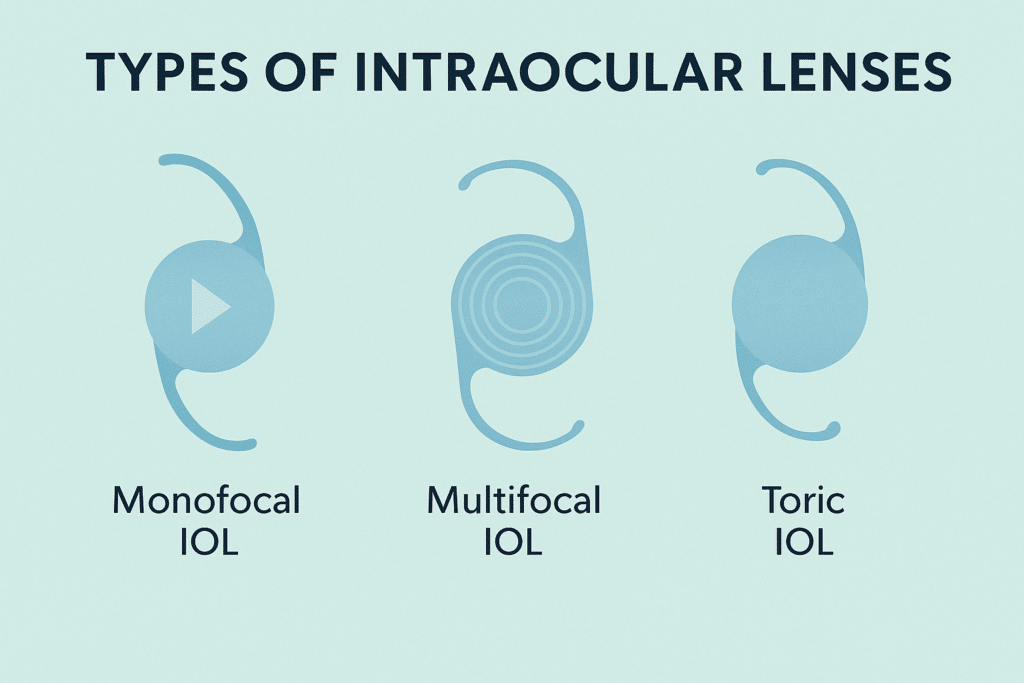
Today’s wide range of lens choices can be overwhelming. Each type – monofocal, toric, multifocal, and extended-depth-of-focus lenses – offers unique benefits for your vision. Patients don’t deal very well with understanding how these options affect their near, intermediate, and distance vision. You might worry about side effects like halos or glare, or maybe you’re not sure why a specific lens was recommended in your case. Choosing the right lens is vital because it will substantially affect your vision after the procedure.
Conflicting advice from different clinics
Getting different recommendations from eye care professionals happens often. Some surgeons suggest premium lenses while others recommend monofocal options. Neither recommendation is necessarily wrong. These differences usually happen because:
- Surgeons have different experience levels with specific lenses
- Clinics use different measurement technologies
- Your visual needs might be understood differently
Pressure to decide quickly
Many patients feel rushed to make their cataract surgery decisions. In spite of that, cataracts usually develop slowly, so there’s rarely any need to rush because of clinic schedules or personal worries. Here’s how to spot if you’re under too much pressure:
- Someone pushes you to book surgery at your first visit
- You don’t get enough time for questions
- You feel overwhelmed instead of supported
- You see only limited lens options
Desire for more personalised care
Patients often seek second opinions because surgeons didn’t consider their lifestyle needs properly. Studies show that communication breakdown leads many to seek other opinions – when doctors don’t listen to concerns, rush explanations, or skip specific questions. A full consultation should look at your vision goals, daily activities, hobbies, night driving needs, and work requirements. So it makes sense that people feel more comfortable with a second doctor who lets them state their concerns clearly.
When a second opinion is critical
Cataract surgery is safe and works well for most people. However, you should ask for a second opinion from an expert ophthalmologist in certain situations. Let’s look at specific cases that will help you make better decisions about your eye health.
You have complex eye conditions.
Your lens selection becomes challenging when you have complex eye conditions that need specialised expertise. A second opinion will give a clearer picture if you have mild to moderate macular changes, dry eye affecting measurements, previous laser vision correction (LASIK, LASEK, or PRK), corneal irregularities or scarring, glaucoma or optic nerve concerns, or early signs of retinal disease. Diabetic retinopathy needs proper screening because vision damage can occur without you noticing any changes. The best visual outcomes depend on more than just removing the cataract – you need to understand how each condition works with different lens options.
You’re not sure if surgery is needed yet.
Some people don’t need immediate cataract surgery. You might prefer prescription eyewear to handle vision changes at first. You should think over getting another opinion if your vision isn’t substantially impaired, the surgery recommendation surprises you, daily activities aren’t a struggle, or you feel pressured but want to wait. Cataracts usually progress slowly, so another specialist can confirm whether waiting is safe for your case.
Your lifestyle wasn’t taken into account.
Your vision correction should match your daily life, not just clinical factors. Another opinion helps if your surgeon hasn’t talked about how your hobbies, night driving needs, reading habits, or work requirements affect lens selection. Red flags include getting a lens recommendation that doesn’t fit your job, little discussion about screen or reading habits, or talks that focus only on medical factors instead of personal needs.
You were only offered one lens type.
Learning about multiple options will help you find the best solution for your vision needs. You should get another consultation if you heard about only one lens choice without any explanation of alternatives. This becomes especially important with multifocal lenses – understanding all available options, their benefits and limitations helps you make informed decisions. A discussion about things that make glasses hard to use, like specific disabilities, might show that different lens types would work better for you.
What to expect during a second opinion consultation
A second opinion consultation gives you a fresh viewpoint on your cataract treatment. These appointments are different from your original assessment. They focus on your concerns and help you feel confident about your surgical plan.
Review of your eye scans and measurements
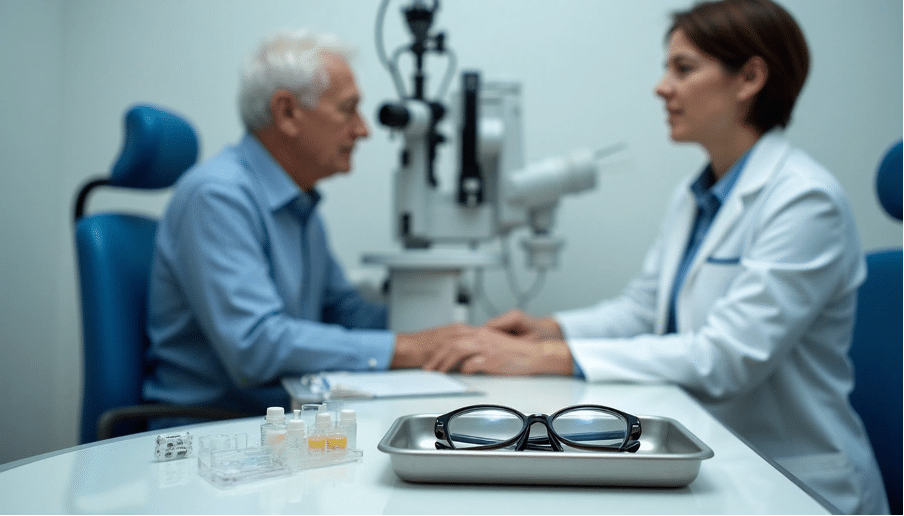
Your consultant will review your previous eye measurements and scans. This review confirms your diagnosis accuracy and creates reliable treatment recommendations. The specialist might run extra diagnostic tests if they find gaps in your previous assessments. Advanced technology helps gather a complete picture of your eye health.
Discussion of your visual goals and lifestyle
The next step focuses on your unique visual needs. Your surgeon will talk about your daily activities, what you need at work, your hobbies, and how often you drive at night. This helps pick the best lens options that line up with your personal needs. You’ll also learn what to expect about wearing glasses after surgery.
Explanation of all suitable lens options
Your consultant will show you all lens choices that fit your situation – monofocal, multifocal, toric, or EDOF. They’ll explain how each option changes your near, intermediate, and distance vision. You’ll also learn about other factors like glare or halos. This information helps you make the right choice.
Clarifying the timing and urgency of surgery
Your surgeon will tell you if you need surgery right away or if waiting is safe. Cataracts usually develop slowly. There’s often no rush unless your vision substantially affects your daily life or safety.
Chance to ask detailed questions
These consultations give you plenty of time to ask about the procedure, recovery, and expected outcomes. Writing down your questions beforehand is a great way to get the most from your discussion time.
How a second opinion helps you make the right decision
You need to learn about all your options to make a wise choice about cataract surgery. Getting a second opinion helps in many ways and leads to better results.
Understanding the pros and cons of each lens
A second opinion helps explain what each type of lens can and cannot do. To cite an instance, multifocal lenses give you clear vision at different distances but might cause more glare or halos than monofocal lenses. Extended depth-of-focus lenses work well for distance and intermediate vision, and their toric versions fix astigmatism. Each option has its trade-offs that you should match with your daily needs.
Avoiding post-surgery dissatisfaction
About 35% of patients say they’re unhappy even after perfect surgery, mainly because they expected different results. Yes, it is common to regret choosing a lens that doesn’t fit your daily vision needs or dealing with unexpected visual effects. A full second consultation prevents these problems by setting realistic expectations.
Reducing anxiety through clear information
Your satisfaction depends on how anxious you feel before surgery, even when the visual results turn out great. Learning about the procedure, recovery time, and possible side effects helps you handle these worries better.
Gaining confidence in your treatment plan
You change from a passive patient to an informed decision-maker with a second opinion. The happiest patients aren’t the ones who paid the most – they’re the ones who really knew what they were getting.

Conclusion
Getting a second opinion for cataract surgery is one of the smartest moves you can make before this life-changing procedure. Your vision deserves a careful look, especially since you have different lens options and surgical approaches to choose from. Each patient’s visual needs, lifestyle requirements, and medical history are unique. A personalised approach will help you get the best results. This careful process will give you recommendations that fit your specific situation instead of one-size-fits-all solutions.
Patients feel more at ease after they get expert second opinions. Extra consultation helps clear up any confusion and answers questions you might still have. It gives you the confidence you need to move forward. Your cataracts usually develop slowly, so you have plenty of time to make informed decisions without rushing. Your satisfaction after surgery largely depends on how well your expectations match the actual results. A complete second opinion helps set realistic expectations and makes sure you’ve looked at all suitable options. This detailed evaluation reduces anxiety and builds confidence in your treatment plan.
The path to clearer vision shouldn’t feel overwhelming or rushed. You deserve to know everything about your cataract surgery – from picking the right lens to what recovery will be like. Having all the information lets you take control of your decisions instead of being a passive patient. A reasonable second opinion ended up giving you peace of mind. You’ll know you’ve explored every option and picked the best path for your eyesight. This time investment will make sure your vision correction matches your needs and lifestyle for years to come.
Key Takeaways
Seeking a second opinion for cataract surgery empowers you to make confident, well-informed decisions about your vision. Here are the essential insights to guide your journey:
- Second opinions are valuable when you feel uncertain about lens options, receive conflicting advice, or experience pressure to decide quickly
- Complex eye conditions, unclear surgery timing, or limited lifestyle consideration warrant an expert second consultation
- Comprehensive second opinions review previous scans, discuss your visual goals, explain all lens options, and clarify surgery timing
- Proper consultation prevents post-surgery dissatisfaction by aligning expectations with realistic outcomes and reducing pre-operative anxiety
- Take time to explore all options, cataracts progress slowly, allowing thorough decision-making without rushing
Since cataract surgery affects your vision for years to come, investing in a second opinion ensures your treatment plan truly matches your unique lifestyle needs and visual goals. The most satisfied patients are those who feel fully informed and confident in their choices, not those who were rushed into decisions.
FAQs
Q1. How do I know if I need a second opinion for cataract surgery? Consider seeking a second opinion if you feel unsure about lens options, have received conflicting advice, feel pressured to make a quick decision, or have complex eye conditions. It’s also advisable if you’re uncertain about the need for immediate surgery or feel your lifestyle wasn’t fully considered in the initial consultation.
Q2. What happens during a second opinion consultation for cataract surgery? A second opinion consultation typically involves a review of your previous eye scans and measurements, a discussion of your visual goals and lifestyle, an explanation of all suitable lens options, clarification on the timing and urgency of surgery, and an opportunity to ask detailed questions about the procedure and expected outcomes.
Q3. Can I delay cataract surgery if I’m not ready? Yes, in most cases. Cataracts usually progress slowly, so there’s often no immediate urgency unless your vision significantly affects your quality of life or safety. A second opinion can help you determine if waiting is a safe option for your specific case.
Q4. How does a second opinion help in choosing the right lens for cataract surgery? A second opinion provides a thorough explanation of the pros and cons of each lens type, helping you understand how different options align with your specific visual needs and lifestyle. This comprehensive information allows you to make a more informed decision and avoid potential post-surgery dissatisfaction.
Q5. Is it common to seek a second opinion for cataract surgery? Yes, many patients seek second opinions for cataract surgery. It’s a common and recommended practice, especially given the variety of lens options available and the long-term impact on your vision. A second opinion can provide clarity, reduce anxiety, and increase confidence in your treatment plan.