22A Harley Street London W1G 9PB

Eye Surgery vs Glasses Cost: Why Londoners are Switching for Value

Eye Surgery vs Glasses Cost: Why Londoners are Switching for Value

The cost comparison between eye surgery vs glasses might surprise you. Contact lens wearers spend between £4,500 and £10,000 over 25 years. Glasses seem cheaper at first, but they still cost at least £2,500 during the same timeframe. People who wear daily contact lenses face higher costs. They spend up to £500 each year. The annual expense reaches £300 to £500 when you add solutions and replacement cases.

These costs add up to £6,000 to £10,000 over twenty years. Laser eye surgery needs just one payment of £2,200 to £3,500 per eye. The original cost may look high, but laser surgery becomes the more economical choice compared to decades of traditional vision correction. Let’s get into why premium eye surgery at Precision Vision London could be a smarter long-term investment than glasses or contact lenses. We’ll help you figure out if this option makes financial sense for your situation.

Eye Surgery vs Glasses

Why glasses and contacts cost more than you think

The price tag on prescription eyewear might shock you at first glance. Most people don’t realise how much they’ll spend on vision correction throughout their lives.

Annual cost of glasses and contact lenses

Vision correction costs can hit your wallet hard. A typical pair of prescription glasses runs about £170. You’ll need new ones every 2-3 years because prescriptions change, glasses break, or just wear out. Contact lenses cost even more. Daily disposable users shell out £24 to £55 monthly, which adds up to £288-£660 each year. The costs jump way up for special lenses. Toric lenses for astigmatism or multifocal options can set you back £622 to £684 yearly.

The hidden costs: replacements, upgrades, and exams

The purchase price is just the beginning. There are many more expenses to consider. Contact lens wearers need fitting appointments that cost £20-£50 each. Regular check-ups add another £20-£50. Monthly lens users spend about £15 every three months on cleaning solutions. Glasses come with extra costs too – lens coatings, UV protection, anti-reflective treatments, and repairs. Research by Optegra shows that Brits think they spend £5,045 on eye care over their lifetime. This is a big deal as it means that the actual cost reaches £17,471.

Cost of contacts over 10 years vs surgery

Stop wasting money on frames and lenses. See why premium eye surgery in London is the ultimate long-term financial investment for your vision. Contact lens users spend between £2,880 and £6,600 over ten years. With 5.2% yearly inflation, these numbers balloon to £4,780-£10,030. That’s nowhere near what permanent vision correction costs. At Precision Vision London, Advanced Wavefront LASIK and LASEK treatments cost £2,200 per eye. Laser Surgery Blended Vision and Specialist Laser Eye Surgery for high prescriptions cost £2,400 per eye. The math shows that laser eye surgery becomes more economical than ongoing corrective eyewear in 10-15 years after the procedure.

Understanding the true value of premium eye surgery

Premium eye surgery is more than a medical procedure, it’s a smart financial decision that brings lasting benefits. Laser eye surgery gives you a definitive solution with predictable costs, unlike the ongoing expenses of traditional vision correction.

Can you Have Laser Eye Surgery Twice in London

What makes laser eye surgery a long-term investment

Your cornea gets permanently reshaped with laser eye surgery, which eliminates the need to pay for vision correction repeatedly. The results last, unlike glasses or contacts that need regular replacement. The surgery results don’t wear off, though your eyes will naturally age. The results speak for themselves – 98% of patients achieve 20/20 vision, and 30-40% see even better than 20/20. The average Briton spends £17,471 on traditional vision correction over their lifetime. Laser eye surgery becomes financially smart within a decade after treatment. Most patients reach their break-even point 10-15 years after the procedure.

How much is laser eye surgery at Precision Vision London?

The pricing at Precision Vision London is clear and upfront with no hidden costs:

You’ll need to pay a £100 deposit when booking your consultation. This amount gets deducted from your final cost if you go ahead with treatment. You’ll get a full refund if you’re not suitable for surgery. If you’re suitable but choose not to proceed, you’ll receive a 50% refund.

What’s included in the cost: diagnostics, surgery, aftercare

Precision Vision London’s all-inclusive package includes:

  • Detailed pre-operative assessment with advanced diagnostic mapping
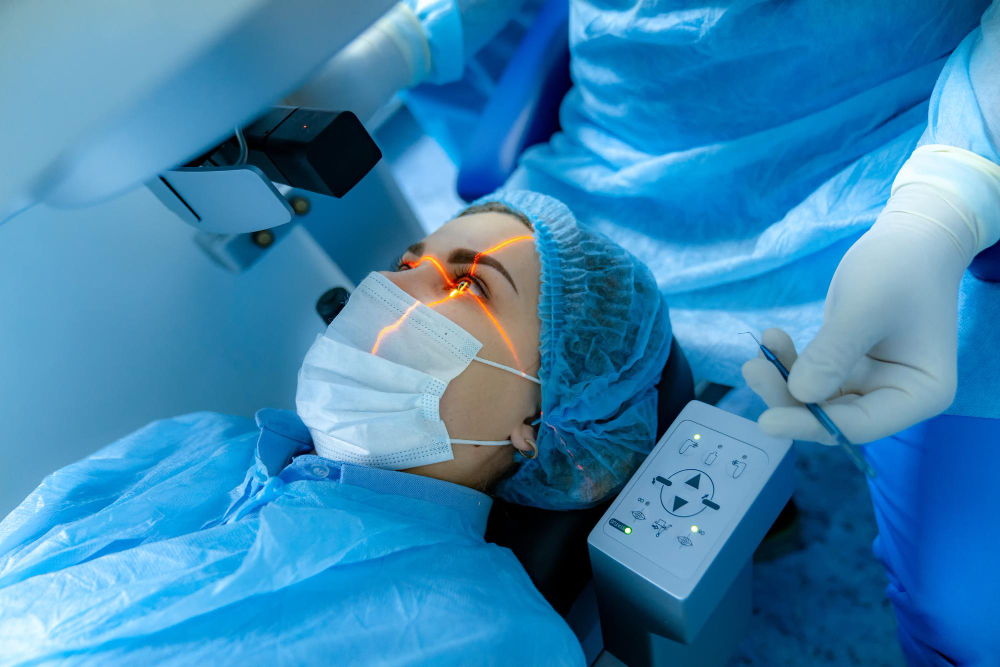
  • Surgery using state-of-the-art laser technology
  • One month’s supply of prescription drops (antibiotic, anti-inflammatory, and hydrating)
  • One year of aftercare with scheduled follow-up appointments
  • Access to their nationwide network of partner optometrists
  • Any enhancement procedures needed within the first year

This integrated approach will give a treatment experience without surprise costs, a big advantage since hidden fees are common in this industry.

Why Precision Vision London offers better outcomes

Precision Vision London stands out from regular eye clinics because of their dedication to surgical excellence through advanced technology and expert knowledge.

why choose us precision vision London

Advanced technology and surgical expertise

Precision Vision London uses Customised Wavefront-Optimised Treatment to make laser eye surgery more than just a simple prescription fix. Their sophisticated technology creates detailed 3D profiles of your eyes and measures various factors including night vision simulations and contrast sensitivity. NHS-trained specialists who have published more than 80 scientific articles perform the treatments. This means you get care from experienced professionals who use the latest equipment.

Customised treatment plans for every patient

The clinic creates specific treatment plans instead of using generic approaches. These plans fix individual eye problems that glasses can’t correct. Their SightMap technology calculates precise procedures for each eye. This works especially well when fixing higher-order aberrations that cause halos and starbursts – problems that often affect vision quality after standard treatments.

Safety protocols and low complication rates

Serious sight-threatening complications from laser eye surgery happen very rarely, showing up in less than 1% of procedures. The clinic keeps this strong safety record through careful screening before surgery. They check detailed medical and eye histories, measure corneal thickness, and verify prescription stability. These detailed safety measures help reduce risks effectively.

Realistic expectations and enhancement options

Even with advanced technology, about 2.7% of patients might need touch-up procedures. The clinic provides LASEK enhancement options that protect the original treatment without making new flaps. This method gets predictable results safely – almost 91% of enhancement patients get vision within 0.5 diopters of their goal.

Payment options that make it accessible

Getting premium vision correction is now easier than ever. Precision Vision London knows that eye surgery’s upfront cost can feel overwhelming. Their flexible payment options make this life-changing procedure available to more patients.

Breakdown of payment plans at Precision Vision London

Precision Vision London maintains transparent pricing without hidden fees. Advanced Wavefront LASIK and LASEK treatments cost £2,200 per eye. Laser Surgery Blended Vision and Specialist Laser Eye Surgery for high prescriptions cost £2,400 per eye. The clinic requires a £100 booking deposit for consultation and deducts it from your final treatment cost if you proceed. You’ll get a full refund of this deposit if you’re unsuitable for surgery. A 50% refund applies if you’re suitable but decide not to proceed.

Laser eye surgery cta

How to calculate your break-even point

Patients usually reach their break-even point within 5-7 years after surgery. Your break-even calculation is simple – add up your yearly vision correction expenses (glasses, contacts, solutions, exams) and multiply by 10-20 years. Compare this total to your one-time surgery investment.

Conclusion

Numbers tell a clear story about costs between premium eye surgery and traditional vision correction methods. Traditional glasses and contact lenses might look cheaper at first, but their ongoing costs are nowhere near the one-time investment of laser eye surgery. Most patients break even within 5-7 years after treatment. This makes the decision financially smart for the long term. Precision Vision London shows clear pricing with detailed packages that remove hidden costs. Their Advanced Wavefront LASIK and LASEK treatments cost £2,200 per eye. Blended Vision and Specialist Laser Eye Surgery run at £2,400 per eye. These are complete solutions rather than quick fixes.

The advantages go way beyond the reach and influence of money alone. You’ll break free from the daily hassle of glasses and contacts. Precision Vision London’s state-of-the-art technology and expert surgical care make this possible. Their customised treatment plans fix individual eye imperfections that glasses don’t address and end up giving superior visual results. The upfront cost might look big at first, but laser eye surgery becomes much more economical than corrective eyewear within 10-15 years. Premium eye surgery isn’t just a medical expense – call it a strategic investment in your life’s quality and financial health. Choosing laser eye surgery combines smart economics with life-changing benefits. You save money while enjoying better vision without depending on external devices. Without doubt, premium eye surgery at Precision Vision London brings both value and vision, a worthy investment in your future.

Key Takeaways

Understanding the true financial impact of vision correction reveals why premium eye surgery represents a smarter long-term investment than traditional glasses or contact lenses.

  • Contact lens wearers spend £4,500-£10,000 over 25 years, whilst glasses cost at least £2,500 over the same period.
  • Laser eye surgery at Precision Vision London costs £2,200-£2,400 per eye with comprehensive aftercare included.
  • Most patients reach their break-even point within 5-7 years, making surgery financially advantageous long-term.
  • Premium surgery offers 98% success rates achieving 20/20 vision using advanced Wavefront technology and expert NHS-trained surgeons.

When you factor in the hidden costs of replacements, upgrades, and regular eye exams, traditional vision correction becomes surprisingly expensive. Premium eye surgery eliminates these ongoing expenses whilst providing superior visual outcomes and freedom from daily dependence on corrective eyewear.

FAQs

Q1. Is laser eye surgery more cost-effective than glasses or contact lenses in the long run? Yes, laser eye surgery often proves more economical in the long term. While the initial cost may seem high, most patients reach their break-even point within 5-7 years after the procedure, compared to the ongoing expenses of glasses and contacts over decades.

Q2. What makes premium eye surgery at Precision Vision London different from standard treatments? Precision Vision London utilises advanced Customised Wavefront-Optimised Treatment, creating detailed 3D eye profiles for personalised procedures. Their NHS-trained specialists use state-of-the-art technology to address individual eye imperfections that glasses cannot correct.

Q3. How much does laser eye surgery cost at Precision Vision London? Advanced Wavefront LASIK and LASEK treatments cost £2,200 per eye, while Laser Surgery Blended Vision and Specialist Laser Eye Surgery for high prescriptions are priced at £2,400 per eye. These prices include comprehensive pre-operative assessment, surgery, and aftercare.

Q4. What are the success rates for laser eye surgery? Laser eye surgery has high success rates, with 98% of patients achieving 20/20 vision. Approximately 30-40% of patients even experience better than 20/20 visual acuity after the procedure. Serious complications are rare, occurring in less than 1% of cases.

Authors & Reviewer
  • : Author

    Hi, I'm Olivia, a passionate writer specialising in eye care, vision health, and the latest advancements in optometry. I strive to craft informative and engaging articles that help readers make informed decisions about their eye health. With a keen eye for detail and a commitment to delivering accurate, research-backed content, I aim to educate and inspire through every piece I write.

  • : Reviewer

    Dr. CT Pillai is a globally recognised ophthalmologist with over 30 years of experience, specialising in refractive surgery and general ophthalmology. Renowned for performing over 50,000 successful laser procedures.

Book Your Appointment Now